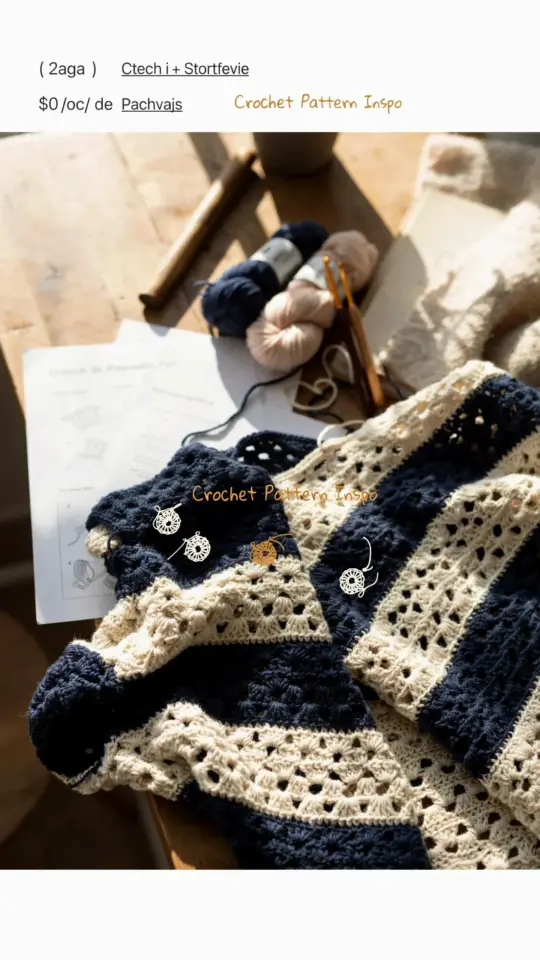
If you have been dreaming of an easy crochet sweater with a loose stitch that won’t eat up your yarn stash or your weekend, you are in the right place. This budget DIY project is perfect for beginners who want a stylish, airy garment without the usual headaches. But even simple patterns come with pitfalls. I have made most of the mistakes below myself, and in this article I will show you exactly how to sidestep them so your sweater turns out exactly as you imagined.
Choosing the wrong yarn for a loose stitch crochet pattern
The first mistake I see is grabbing the heaviest worsted weight acrylic from the bargain bin. Loose stitches need a yarn that drapes, not one that stands up like cardboard. A super bulky yarn will make your sweater feel stiff and heavy, which defeats the whole budget and comfort goal.
Instead, look for a light worsted or DK weight yarn with a bit of drape. Cotton blends or soft acrylics with a high twist work beautifully. They hold the open stitch definition without looking floppy. If you are on a tight budget, check clearance sections for wool blends that are labeled “light” or “sport”. That extra ounce of research saves you from frogging later.
Miscalculating yardage for a budget crochet project
Because this is a budget crochet project, you want to buy just enough yarn without leftover skeins gathering dust. The trouble is that loose stitches can fool you into thinking you need less yarn than you actually do. I once bought two skeins for a size small and ended up needing a third after the sleeves.
Always make a gauge swatch and weigh it. Then multiply by the number of square inches in your garment. Online yardage calculators are your friend, but add an extra 15% for safety. If you are using a specific crochetsweater pattern, check the recommended yardage and round up. It is far better to have a partial skein left over than to run out midway through the back panel.
Not adjusting gauge for a loose stitch crochet sweater
A common misconception is that a loose stitch pattern does not require a gauge swatch. I used to skip it too, thinking the open gaps make gauge irrelevant. But that is exactly why it matters. A half inch difference in your row gauge can turn a cropped sweater into a tunic or vice versa.
Take fifteen minutes to work a swatch in the same stitch pattern you plan to use. Wet block it (yes, even for acrylic, just steam it lightly) and measure after it dries. If your gauge is off, change your hook size. For a loosestitchcrochet sweater, you often go up a hook size for the airy look, but keep the yarn weight consistent. A swatch saves you from ripping out an entire front piece.
Overlooking fabric drape and structure
When you work a loose stitch, the fabric can become too flimsy or too stiff depending on your tension. One mistake I made early on was using too large a hook for thin yarn, which gave me a saggy, shapeless sweater that looked more like a net than a garment. I want you to avoid that disappointment.
Aim for a fabric that holds its shape but still moves with you. If your swatch feels like a curtain net, go down a hook size. If it feels rigid, go up. You can also add a simple border of single crochet along the neckline, cuffs and hem to give structure. That small touch transforms a floppy sweater into something you would actually wear out.
Forgetting to plan seams and shaping
Seaming a loose stitch sweater is different from seaming a denser fabric. The open gaps can make mattress stitch tricky because you have fewer anchor points. I learned this the hard way when my side seam looked like a lumpy caterpillar. Also, the stretch of the stitch means your pieces can grow or shrink unpredictably.
Before cutting your yarn, pin the pieces together and try the sweater on over a thin shirt. Mark where the underarm and side seams should line up. Use a whip stitch or a backstitch with the same yarn, working through the posts of the edge stitches. Go slowly and match each row. Block the seams gently after sewing to even them out. That extra step makes the difference between a homemade sweater and a handmade heirloom.
Rushing through finishing techniques for a polished look
Many beginners skip blocking because they are eager to wear the sweater. I have done it myself and regretted it. With a loose stitch, the fabric can look uneven, with some stitches pulled tight and others gaping. Blocking solves that faster than any other trick.
For acrylic yarns, use steam blocking with an iron held a few inches away. For natural fibers, wet block by soaking the garment in lukewarm water, squeezing out excess, and pinning it to shape on a mat. Let it dry completely before removing pins. This one step will make your crochetfashion piece look professional and fitted. Do not skip it.
Ignoring your tension changes over time
When you crochet a sweater, you might work on it over several days or weeks. Your tension can shift depending on your mood, fatigue or even the time of day. I once had a sleeve that was noticeably wider at the top because I started it relaxed and finished it tense after a long work week.
The fix is simple: check your tension every few rows. Hold your work up to the light and see if the stitch size looks consistent. If you notice a change, take a short break or consciously relax your grip. You can also count your stitches per inch every five rows. Consistency matters more than perfection. A slightly uneven sweater still looks great if the overall shape is balanced.
Building your own easy crochet sweater with a loose stitch is one of the most satisfying budget DIY projects you can try. By avoiding these common mistakes, you save time, yarn and frustration. I hope this guide gives you the confidence to grab your hook and start today. When you finish, I would love to see how it turned out. Share your sweater on social media and tag it with #loosestitchcrochet so we can all cheer you on.
#crochetsweater #loosestitchcrochet #budgetcrochet #crochettutorial #crochetfashion
Leave a Comment